Cultural Heritage Behind Moroccan Rugs
Moroccan rugs come from the traditions of the Berber people. These communities live in the mountains and rural areas of Morocco. Families pass weaving skills from one generation to the next. Mothers teach daughters. Practice builds skill over time. No formal schools. Real learning happens at home.
Each rug tells a story. Artisans use simple symbols to share meaning. Some shapes stand for protection. Others show fertility or family life. Lines and patterns often connect to nature, such as mountains, rivers, or animals. You do not see random designs. Every detail has a reason.
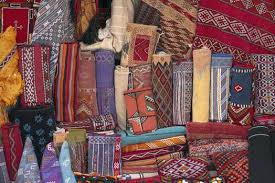
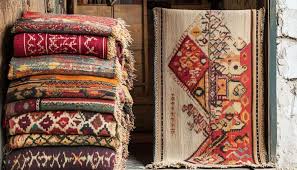
Different regions create different styles. A rug from the Atlas Mountains looks different from one made in a village near the desert. Colors, patterns, and shapes help you understand where the rug comes from. This makes every piece special. You can often identify the origin just by looking at it.
Artisans use natural materials from their local area. Wool comes from sheep raised in the region. Plants and minerals create natural dyes. These materials connect the rug to the land. The final product reflects both culture and environment.
Time plays a big role in the process. A single rug can take weeks or months to finish. Artisans work slowly and carefully. They focus on quality, not speed. This creates a strong and long-lasting rug.
People value Moroccan rugs for more than decoration. These rugs carry history, belief, and identity. Homes across the world use them today, but their roots stay in tradition. Cultural heritage gives each rug meaning and depth.
Handmade Craftsmanship That Stands Out
Artisans in Morocco begin with raw wool from local sheep. They clean the wool by hand and remove dust and dirt. After washing, they spin the fibers into yarn using simple tools. This step needs patience and skill. The yarn must stay strong and even.
Natural dyes give color to the wool. Artisans use plants, roots, and minerals found in their region. Each batch of dye looks slightly different. This creates soft color changes in the final rug. These small changes add beauty and make every piece unique.
Weaving starts on a traditional loom. Artisans tie each knot by hand, one by one. This process takes time. A small rug may take a few weeks. A large or detailed rug can take several months. Slow work leads to better quality.
No machine controls the design. The artisan follows memory and creativity. Small variations appear in lines and patterns. These details show that a human made the rug. You will not find perfect symmetry, and that is the value.
Machine-made rugs look uniform and flat. Handmade rugs feel rich and full of life. Each knot adds texture and depth. You can see and feel the difference.
Buyers value this level of craftsmanship. A handmade Moroccan rug lasts longer and holds its shape over time. It also carries the touch of the person who made it. That human connection gives the rug real character.
Natural Materials and Long-Lasting Quality
Wool forms the base of most Moroccan rugs. Artisans in Morocco collect wool from local sheep. This wool feels soft but stays strong. It handles daily use without quick damage. People walk on it, move furniture on it, and still see it hold shape.
Artisans keep the natural oils in the wool during cleaning. These oils protect the fibers. Dust and dirt do not stick easily. This makes the rug easier to maintain. Regular cleaning keeps it fresh without much effort.
Natural dyes add color to the wool. Artisans use plants, roots, and minerals from the land. These dyes create deep and warm tones. Over time, colors do not fade fast. They soften and look even better with age. This natural aging gives the rug a calm and balanced look.
Strong fibers and careful weaving increase durability. The rug stays thick and comfortable underfoot. It does not lose its texture quickly. Many families use the same rug for years. Some even pass it to the next generation.
Natural materials also support a healthier home. Wool does not trap harmful substances easily. It allows air to pass through. This keeps the rug fresh and safe for daily use.
A Moroccan rug made with natural wool and dyes offers long life, easy care, and lasting comfort.
Popular Types of Moroccan Rugs
Moroccan rugs come in different styles based on region and tradition. Each type has its own look, feel, and purpose. You can choose a rug that matches your space and personal taste.
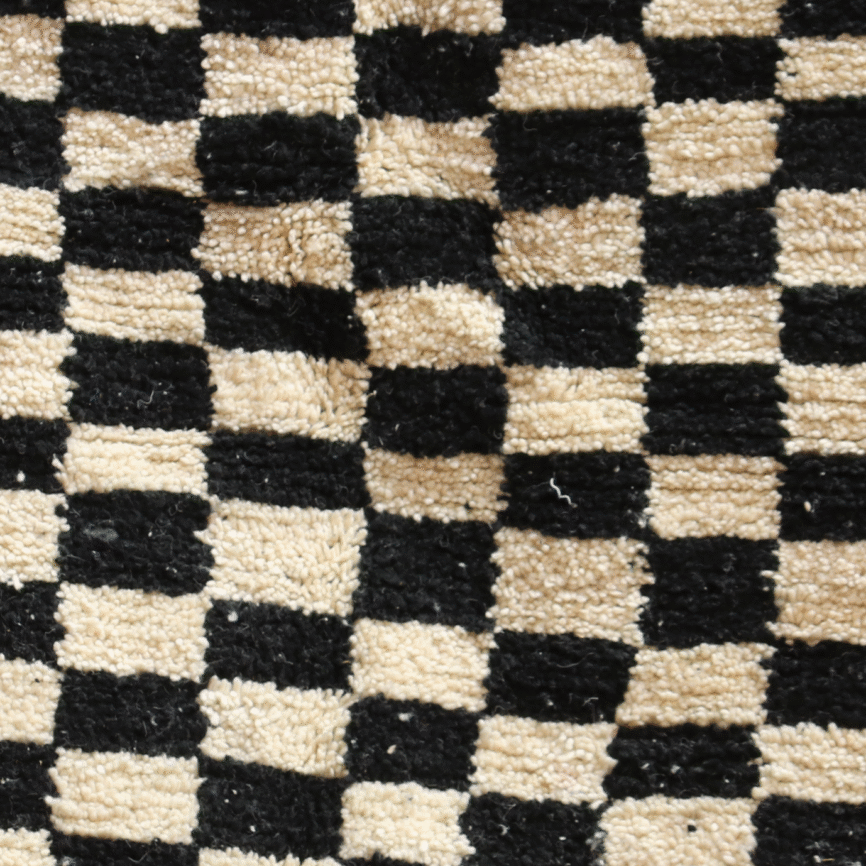
Beni Ourain rugs come from the Atlas Mountains in Morocco. Artisans use thick, soft wool to create these rugs. The design stays simple. Black geometric lines appear on a cream or white background. This clean style fits modern homes. Many people use it in living rooms and bedrooms for a calm and cozy look.
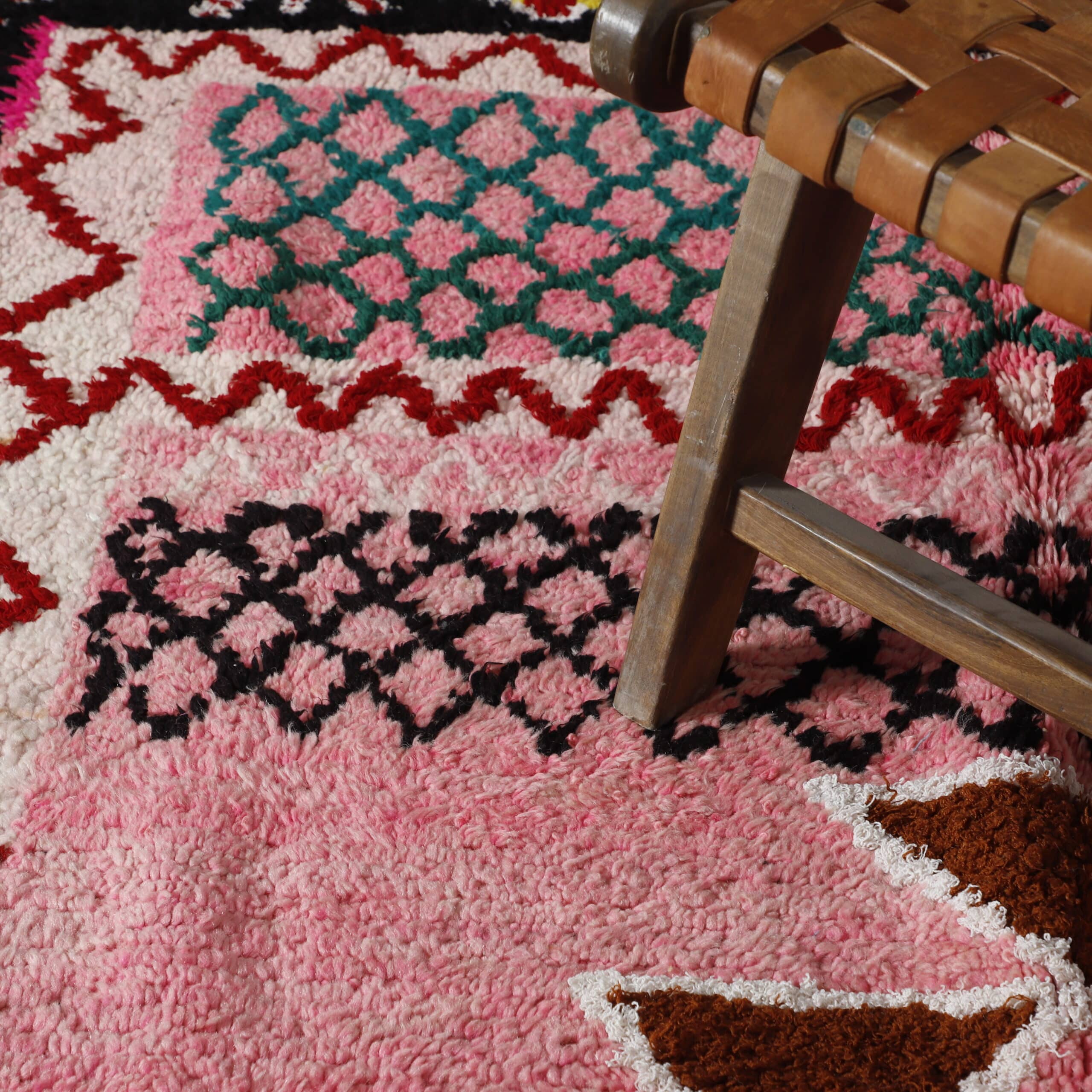
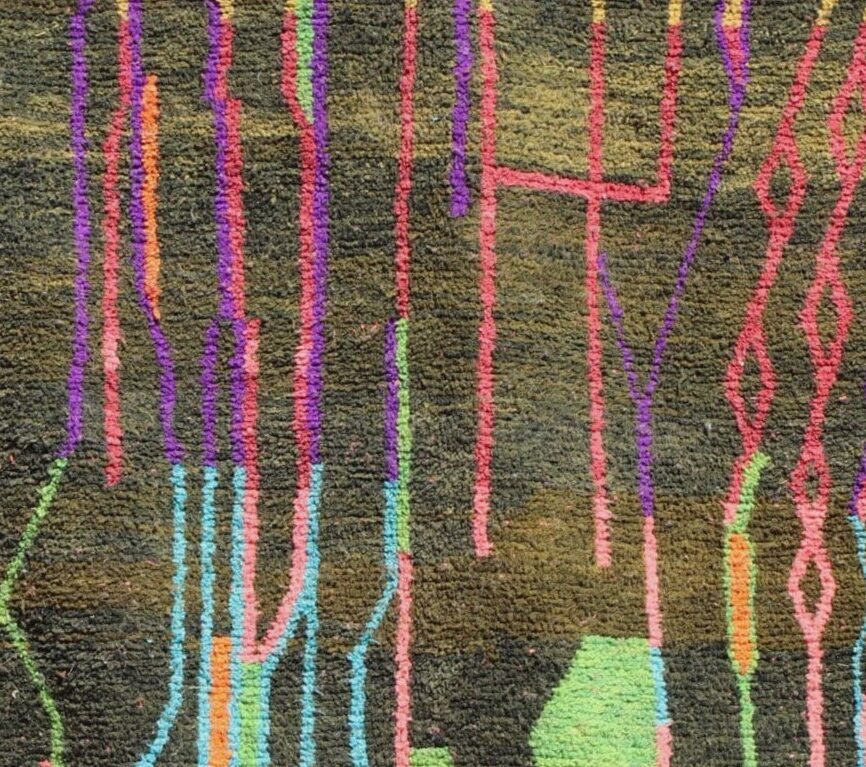
Azilal rugs bring more color and energy. Artisans mix bright shades with abstract patterns. Each rug looks different because the design comes from the weaver’s ideas and life experiences. You will often see bold shapes and playful lines. These rugs work well in creative spaces where you want strong visual impact.
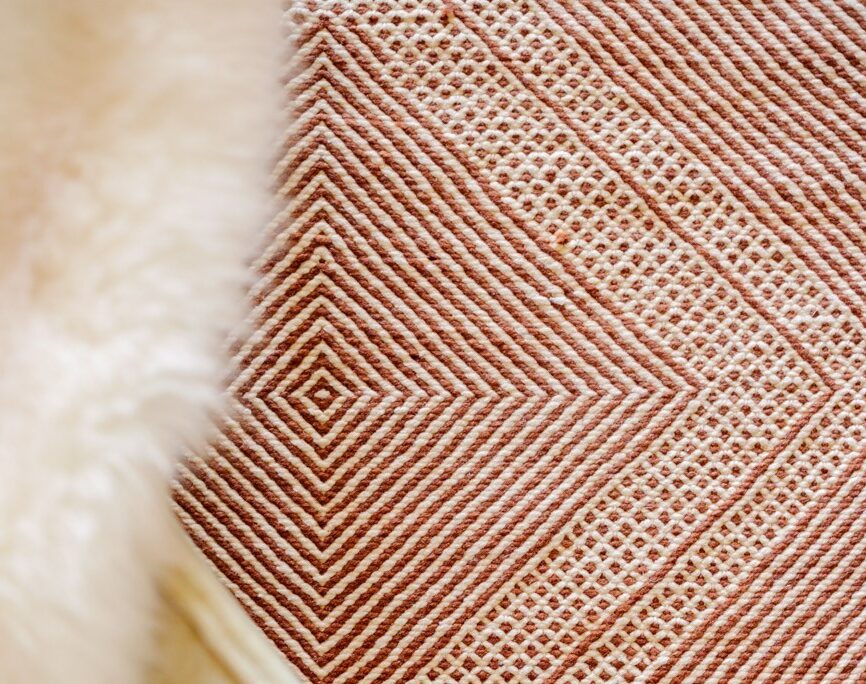
Kilim rugs use a flat weave technique. Artisans do not create a thick pile like other rugs. The result feels lightweight and smooth. These rugs suit warm climates and high-traffic areas. Patterns look sharp and geometric, often with repeated shapes.
Boucherouite rugs stand out for their use of recycled materials. Artisans use fabric scraps, cotton, and other fibers. This creates bright, mixed-color designs. Each rug looks unique and expressive. People choose this style for eco-friendly homes and bold interiors.
Each Moroccan rug style offers something different. Simple or colorful. Thick or flat. You can always find one that fits your space.
Why Moroccan Rugs Fit Modern Interiors
Interior designers often use Moroccan rugs in modern homes. These rugs work well with simple furniture and clean layouts. Many modern spaces use neutral colors like white, gray, or beige. Moroccan rugs match this style easily. Soft tones from wool blend with the room and create a calm feel.
Some rugs also include bold patterns. These patterns add contrast in plain spaces. A simple room can look more interesting with one patterned rug. You do not need many decorations. One rug can change the mood of the space.
Handmade texture adds another layer of value. Flat surfaces like tiles or wooden floors can feel cold. A Moroccan rug brings warmth and softness. You can feel the difference when you walk on it. This makes the room more comfortable for daily use.
These rugs also fit different styles. A modern apartment in New York City, a studio in London, or a villa in Dubai can all use the same rug style. The design adapts easily to different settings.
A single rug can change how a room looks. It can make a space feel warm, balanced, and complete without large changes. This simple impact makes Moroccan rugs a smart choice for modern interiors.
Tips to Choose the Right Moroccan Rug
Start by measuring your space to find the right size. Large rugs suit living rooms, while smaller pieces work well in bedrooms or entryways. Decide between thick wool or flat weave based on climate and usage. Check the back of the rug for hand-knotted details. Slight irregularities confirm authenticity. Set a clear budget and focus on quality over quantity.
Easy Care and Maintenance
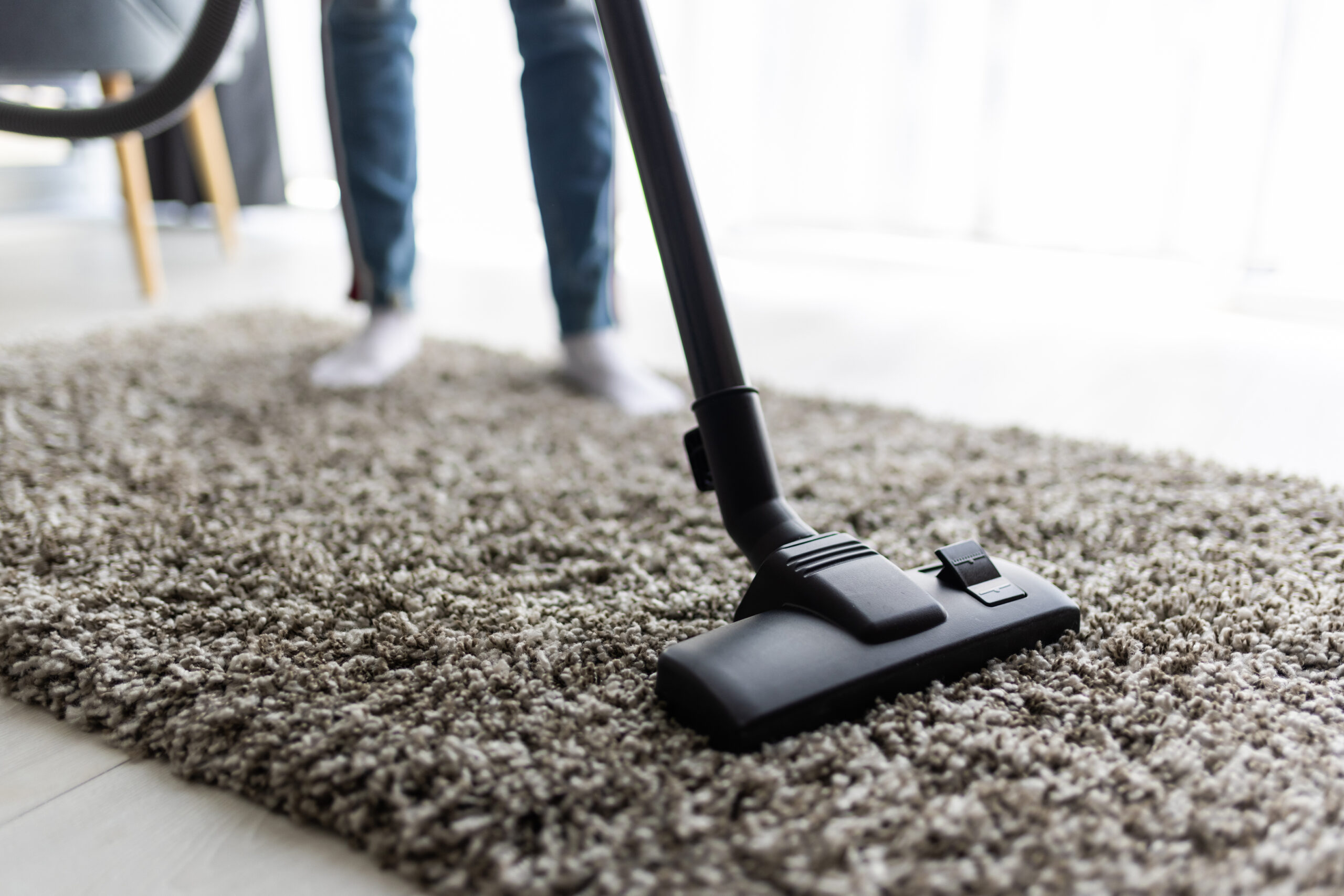
Proper care keeps your rug in good condition. Vacuum regularly to remove dust. Rotate the rug every few months to balance wear. Clean spills quickly using mild soap and water. Avoid excess moisture and harsh chemicals. Professional cleaning helps maintain deep fibers over time.
Global Appeal of Moroccan Rugs
Moroccan rugs appear in homes across major cities like New York City, London, and Dubai. Designers and homeowners value their flexibility and unique look. A neutral rug creates balance in a busy room. A colorful rug becomes the main focus. These rugs adapt to different styles and spaces with ease.
Sustainable and Ethical Choice
Handmade rugs support artisan communities and preserve traditional skills. Natural materials reduce environmental impact. Recycled options like Boucherouite rugs add another layer of sustainability. Buying a Moroccan rug supports both culture and responsible production.
FAQs
What makes Moroccan rugs different from other rugs?
Moroccan rugs stand out due to handmade craftsmanship, cultural symbolism, and natural materials.
How long do Moroccan rugs last?
A high-quality Moroccan rug can last for decades with proper care.
Are Moroccan rugs suitable for all rooms?
Yes, you can use them in living rooms, bedrooms, and even hallways depending on size and material.
How do I clean a Moroccan rug at home?
Regular vacuuming and quick spot cleaning with mild soap keep the rug clean.
Do Moroccan rugs lose color over time?
Natural dyes age softly and maintain their beauty instead of fading quickly.
Blog
Get fresh home inspiration and helpful tips from our interior designers