Wool Gathering and Preparation
The creation of a traditional Moroccan rug begins with wool gathering. The quality of the wool is essential, and artisans often rely on sheep from local farms. These sheep are raised in the Atlas Mountains and other rural areas. Once the wool is sheared, it undergoes a meticulous cleaning process to ensure it is free from dirt and debris. After cleaning, the wool is carded, a technique that separates the fibers to make them easier to spin. The final result is a soft, fluffy material ready for dyeing and weaving. The dyeing process is another critical step in wool preparation. Natural dyes, made from plants, minerals, and insects, are commonly used. These dyes not only provide beautiful, earthy tones but also contribute to the rug’s environmental sustainability. The artisans mix the dyes carefully to achieve the perfect color, which may vary based on the region and tradition.
Recycled Materials and Boucherouite Rugs
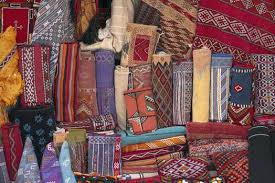
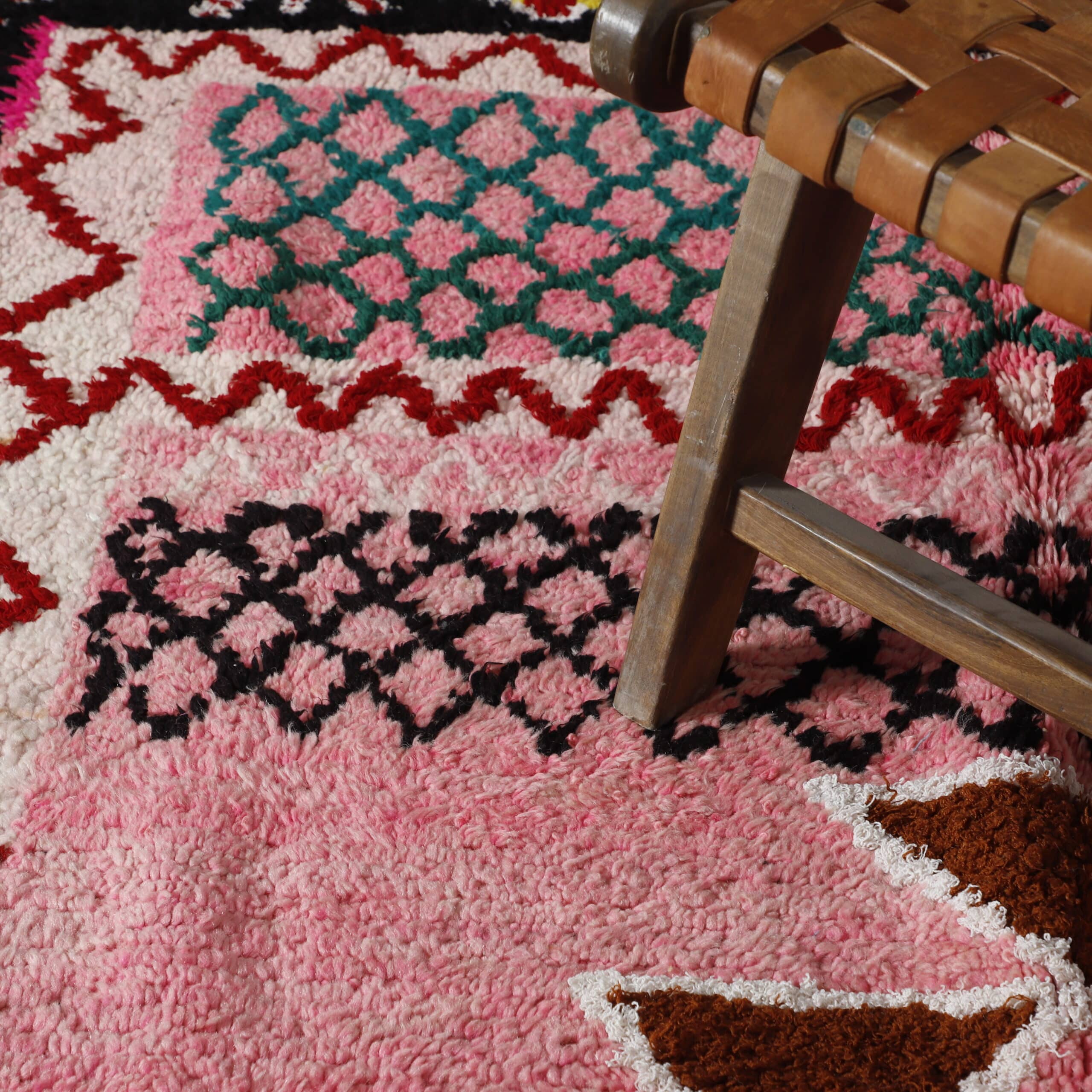
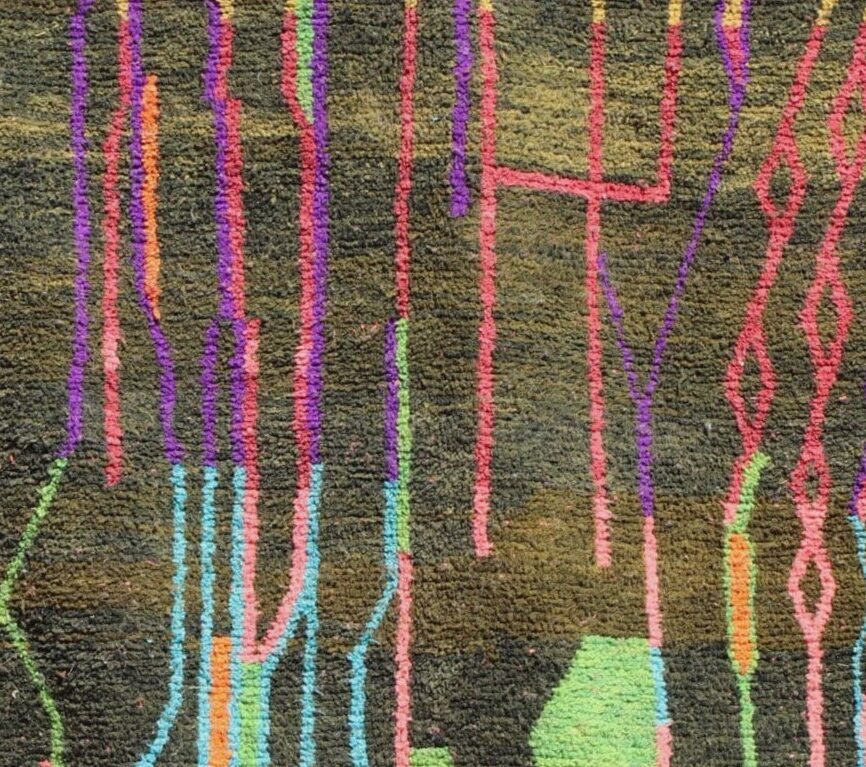
One of the most unique aspects of Moroccan rug making is the use of recycled materials, especially in Boucherouite rugs. These rugs are made from a variety of fabrics, including cotton, polyester, and wool. Artisans creatively repurpose old clothes and textiles to make vibrant and colorful designs. Boucherouite rugs are often bold in color and texture, reflecting a more contemporary style while maintaining the traditional craftsmanship of Moroccan weaving.
This process of reusing materials aligns with the Moroccan culture’s deep respect for sustainability and resourcefulness. Each rug tells a story through the remnants of fabric that would otherwise be discarded, showcasing the creativity and innovation of Moroccan artisans.
Weaving and Knotting
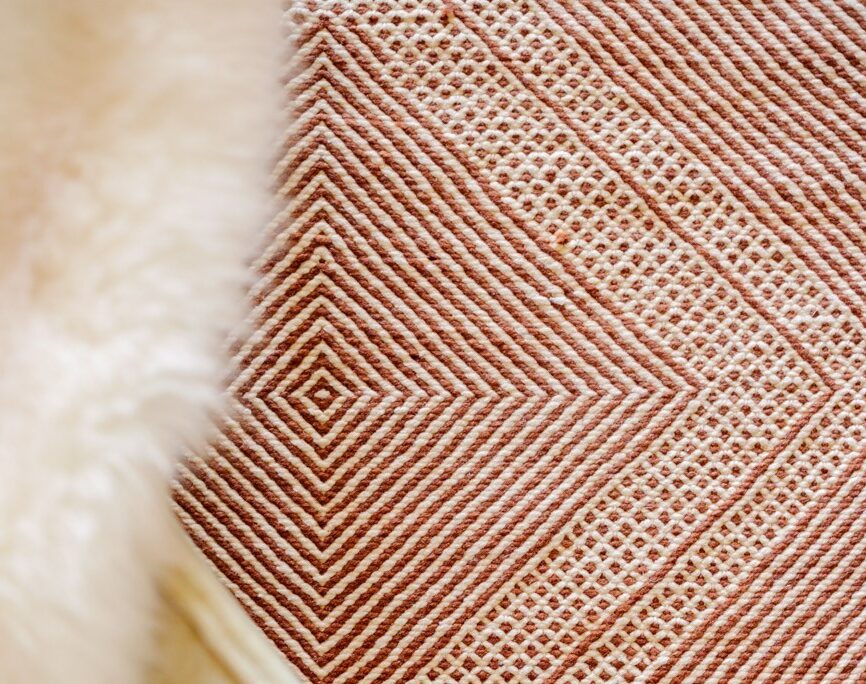
Once the wool is ready, the weaving process begins. Moroccan artisans use a traditional handloom to create their rugs. The loom is a simple yet effective tool that allows artisans to weave the threads into intricate designs. Weaving involves threading the wool into the loom and tying each knot by hand. This knotting technique, known as the “Senna knot” in some regions, is a labor-intensive but essential part of the rug-making process.
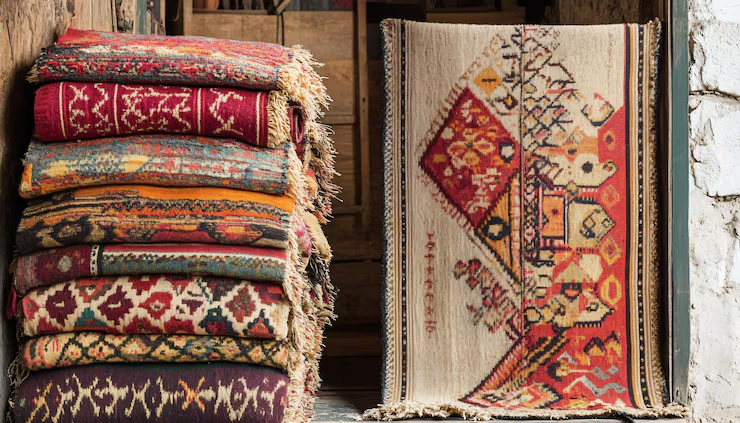
The art of knotting is passed down through generations. Skilled weavers can make hundreds or even thousands of knots per square meter, ensuring each rug is durable and unique. The design is often reflective of the artisan’s family history or the cultural symbols of the region, with geometric patterns, vibrant colors, and symbolic motifs that represent different aspects of Moroccan life.
Traditions and Beliefs
Moroccan rugs carry a deep cultural significance. Each rug often holds symbolic meaning, with colors and patterns representing various beliefs and traditions. For example, red may symbolize protection, while blue is associated with spirituality and healing. The design choices are not only decorative but are believed to bring blessings or ward off negative energy.
Many artisans still use traditional motifs passed down through generations. These motifs are often inspired by the natural world, including animals, plants, and landscapes. The weaver’s family traditions and personal beliefs heavily influence the final design. Therefore, no two Moroccan rugs are exactly alike, making each one a unique masterpiece of culture and craftsmanship.
Wool Quality and Characteristics
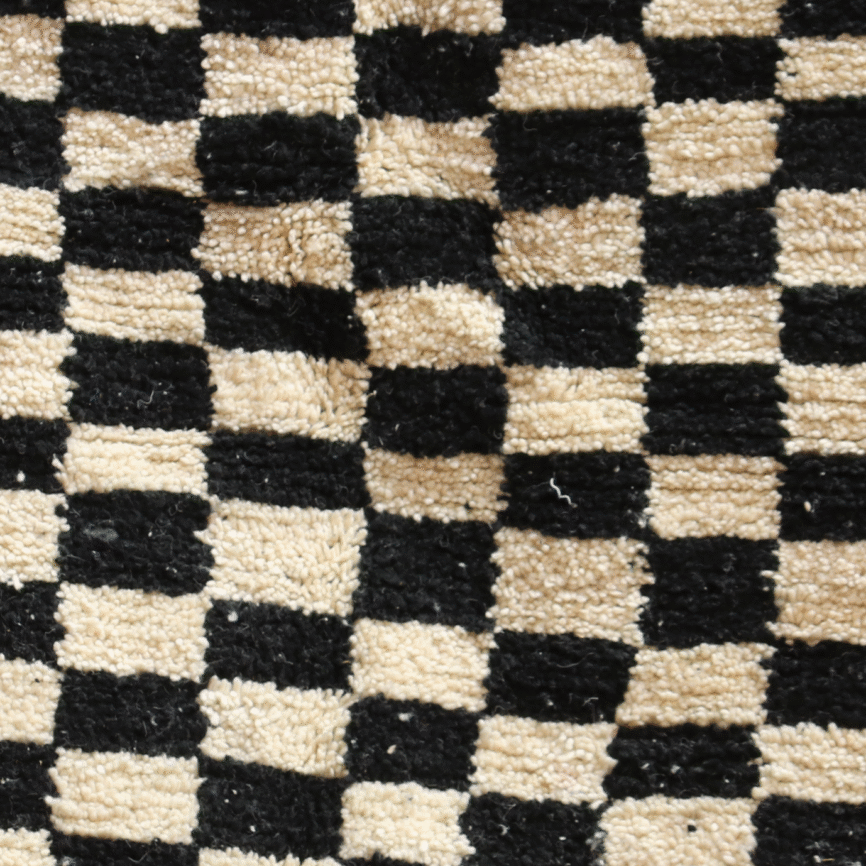
Wool is the preferred material for Moroccan rug-making due to its natural durability, softness, and warmth. The wool used for Moroccan rugs is typically long-staple, which makes it strong and resistant to wear and tear. The density of the wool ensures that the rug can withstand heavy foot traffic without losing its form.
The unique characteristics of Moroccan wool contribute to the overall quality of the rug. It is often handspun, which results in a more textured and rustic appearance compared to machine-spun wool. The softness of the wool makes Moroccan rugs ideal for both practical and decorative purposes, as they provide warmth and comfort in any space.
FAQ
How long does it take to make a traditional Moroccan rug?
The process can take anywhere from several weeks to a few months, depending on the size and complexity of the design. Hand-knotting each rug requires time and patience, ensuring that each piece is made with care.
The process can take anywhere from several weeks to a few months, depending on the size and complexity of the design. Hand-knotting each rug requires time and patience, ensuring that each piece is made with care.
What is the difference between a Boucherouite rug and a traditional wool rug?
Boucherouite rugs are made from recycled textiles, while traditional Moroccan rugs are usually crafted from high-quality wool. Boucherouite rugs have a more vibrant, eclectic style, whereas traditional wool rugs are more uniform in texture and color.
Boucherouite rugs are made from recycled textiles, while traditional Moroccan rugs are usually crafted from high-quality wool. Boucherouite rugs have a more vibrant, eclectic style, whereas traditional wool rugs are more uniform in texture and color.
Are Moroccan rugs durable?
Yes, Moroccan rugs are known for their durability. The wool used is naturally strong and resistant to wear, making them suitable for both high-traffic areas and more decorative uses.
Yes, Moroccan rugs are known for their durability. The wool used is naturally strong and resistant to wear, making them suitable for both high-traffic areas and more decorative uses.
Can I use a traditional Moroccan rug in my home?
Yes, Moroccan rugs can fit into any home style. They are versatile and can complement both modern and traditional decor, adding a touch of cultural richness to any room.
Yes, Moroccan rugs can fit into any home style. They are versatile and can complement both modern and traditional decor, adding a touch of cultural richness to any room.
How do I maintain a traditional Moroccan rug?
Regular vacuuming and occasional professional cleaning can help maintain the rug’s quality. Avoid exposing it to direct sunlight for long periods, as this can cause fading. Rotate the rug periodically to ensure even wear.
Regular vacuuming and occasional professional cleaning can help maintain the rug’s quality. Avoid exposing it to direct sunlight for long periods, as this can cause fading. Rotate the rug periodically to ensure even wear.
Blog
Get fresh home inspiration and helpful tips from our interior designers